Tea, Toast and No Timetable: The School Hall That Opens When the Week Ends
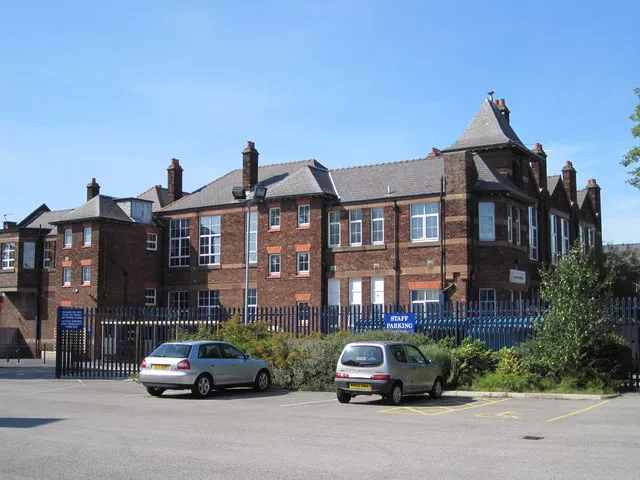
At ten past three on a Friday in November, St Aidan's C of E Primary does what every school does at the end of the week: it empties. Coats are pulled from pegs, book bags dragged along corridors, and the last of the reception children are bundled out to waiting adults. By twenty to four, the building should be quiet.
It is not. In the hall, the caretaker is arranging chairs into loose circles rather than rows. The urn is filled. Two volunteers are slicing bread under the grill, and a small sign by the door says, simply: Warm Room, 3.30–5.30. All welcome. No need to stay.
The urn goes on at half three
The first arrivals come in quietly, as if they are not quite sure they are allowed. A grandmother with two grandchildren in tow. A dad still in work boots. Three Year 6 girls who ask whether they can finish a poster at one of the tables. Nobody asks them to explain why they are there. The sign-in sheet by the door is for safeguarding, not for stories.
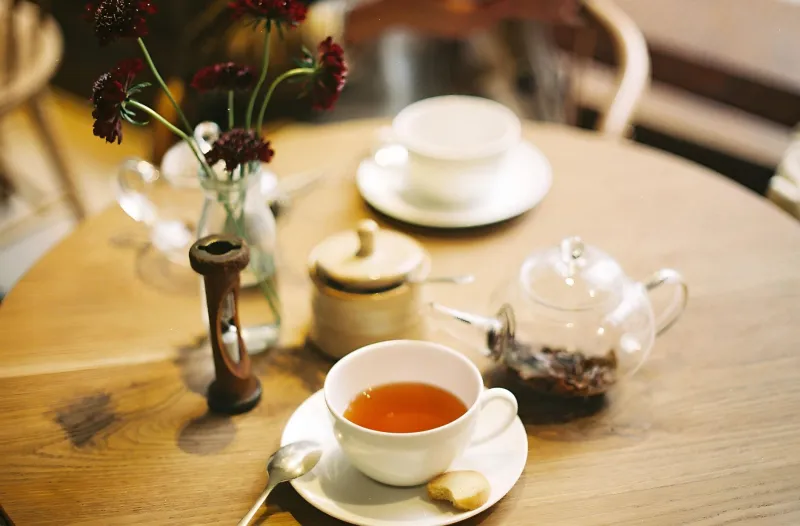
By four o'clock, the hall has the gentle hum of a place that is being used rather than managed. The tea is hot, the toast is cut into triangles, and the biscuit tin is passed around without ceremony. There is no charge, though a small donations tin sits near the urn for anyone who wants to put something in. Nobody watches it.
'We are not trying to solve Friday,' says Mrs Farrah Khan, the deputy head. 'We are trying to make it a bit less lonely, or a bit warmer, or a bit easier. That is all.'
A room with no programme
What makes the Warm Room unusual is how little it asks of anyone. It is not a homework club, although there is a table with pencils, rulers and a battered dictionary. It is not a craft session, although a jigsaw of the Lake District is usually on the go. It is not a faith group, although the cross above the stage stays where it always is. It is not even a coffee morning, because it happens at the most awkward hour of the week.
It is simply a room that stays open.
'Some come for the heat, some for the company, some because the bus is not due,' says Brenda, a retired teaching assistant who has volunteered since the room began. 'You do not ask which. You put the kettle on and let them decide.'
That lack of pressure seems to be the point. Parents who would never sign up for a parenting course will happily sit with a mug of tea while their children finish a drawing. Older residents from the sheltered housing nearby pop in for twenty minutes and end up talking to a Year 2 child about the difference between a bus and a coach. A teenager waiting for a younger sibling does homework in the corner. Nobody performs gratitude. Nobody is asked to join anything.
The quiet arithmetic of toast
The room runs on a modest budget: bread, margarine, jam, tea, milk, sugar and the occasional packet of biscuits. A local supermarket donates bread on Fridays. The parish has a standing rota of volunteers. School staff take turns staying behind, though the head is clear that the room belongs to the community rather than the timetable.
It began three winters ago after a conversation at the school gate about the gap between pick-up and payday. The hall was empty on Friday afternoons. The parish had people who wanted to help. The school had a kettle. There was no launch event, no logo and no leaflet drop. Word travelled along the corridor and through the gate.
In 2026, it still has no logo. That feels deliberate.
'We were careful not to turn it into a campaign,' Mrs Khan says. 'The moment you call it a project, people start wondering whether they qualify. We wanted it to feel like walking into your nan's kitchen, not applying for support.'
What it does — and what it does not do
The volunteers are honest about the limits. The Warm Room is not a food bank, an advice centre or a replacement for stretched local services. If someone needs more than tea and company, they are signposted gently and privately. The volunteers are not trained counsellors. They are people who know how to listen and when to leave a silence alone.
What it does is smaller and harder to measure. It makes the school building feel like part of the neighbourhood rather than a place that locks its gates at half three. It gives families a reason to know one another's names. It lets older people and small children share the same room without anyone having to organise an activity. It turns a polished hall floor and a stack of plastic chairs into something close to a local lifeline.
On the Friday I visit, a man in his seventies sits near the stage with a cup of tea and a puzzle book. He says he comes because his flat is quiet and the walk is short. A mum at the next table is helping her son with spellings while her daughter builds a tower from dominoes. The toast runs out at twenty past four. Brenda puts more bread under the grill.
A local lifeline, not a campaign
At half five, the caretaker begins stacking chairs. The volunteers wash mugs in the small kitchen off the hall. The last family pulls on coats and steps out into the dark, where the streetlights are already on and the air smells of woodsmoke. Nobody makes a speech. Nobody counts how many came.
The Warm Room will open again next Friday. The urn will be filled, the bread will be sliced, and the sign will go up by the door. In a season of big plans and loud campaigns, there is something quietly radical about a school hall that simply stays open — and a community that keeps the kettle on.