The Hinge of the School Day: A Week at the Desk Where Everything Arrives First
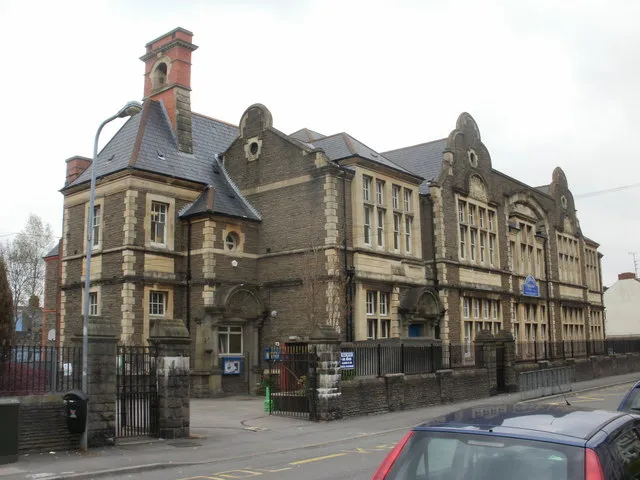
Photo: John Grayson, CC BY-SA 2.0, via Wikimedia Commons
It is 8.07 on a grey Tuesday in November, and the school office is already holding the day together. The kettle has not quite boiled. A parent is explaining, in the careful voice people use when they are trying not to cry, that the gas meter needs topping up before Friday. A Year 2 child has arrived with one shoe, one plimsoll and a look of profound betrayal. Somewhere behind the photocopier, a phone is ringing for the third time. And at the desk — the one nobody puts on the prospectus — a receptionist is doing what receptionists do: listening, sorting, remembering, and quietly deciding which of these things needs her first.
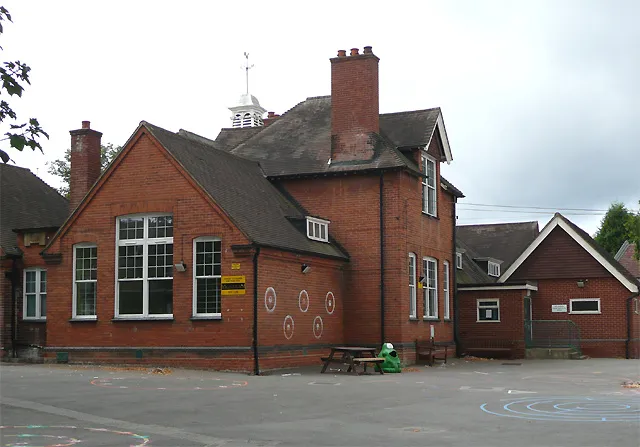
We are calling the school St Aidan's. It is a primary in the north-west of England, the kind with a Victorian shell, a newer hall and a reception area that smells faintly of laminating pouches and oranges. The names have been changed. The pattern will be familiar to anyone who has ever worked in, volunteered at, or simply walked through the door of a UK school.
Monday: the lost and the found
The week begins with lost property. A lunchbox shaped like a frog. One glove, navy, age seven-ish. A reading diary that has been to Tenerife and back. The receptionist — let us call her Margaret — has a system. It involves a crate, a label maker and the kind of patience usually reserved for archaeology. By breaktime she has reunited three children with three items and one child with a lost jumper that turns out to belong to his brother. Nobody claps. But the small sigh of relief is its own reward.
The office is not a waiting room, though it often looks like one. It is a sorting office for the day's small emergencies. Keys arrive here. So do forgotten PE kits, messages about dentist appointments and the occasional pair of spectacles found on the climbing frame. Margaret knows which parent finishes work at three and which grandparent collects on a Wednesday. She knows that the quiet boy in Year 4 does not like the noise at the start of assembly, and that the new reception child needs to see a familiar face before the door to the corridor opens. None of this is in the job description. All of it is the job.
Tuesday: the referral in an envelope
On Tuesday morning, a sealed envelope is handed over with an apology. It is a food-bank referral, arranged through the school's pastoral lead. The family does not want a fuss. They want it done quietly, before the school run gets busy. Margaret takes the envelope, checks the name, and puts it somewhere safe. She does not ask questions in front of the queue. She does not make a performance of kindness. She simply says, 'Leave it with me, love,' and means it.
This is the part of school life that rarely gets a mention in the newsletter. Receptionists are often the first people to notice that a child has arrived without breakfast, or that a parent is standing a little too long at the counter, or that the same coat has been worn for a week. They are not teachers. They are not social workers. But they are pastoral gatekeepers by default, standing at the point where the outside world meets the timetable. They know the difference between a family having a chaotic morning and a family in trouble. And they know who to tell.
Wednesday: the birthday card economy
Wednesday brings the birthday cards. A small pile of them, addressed in wobbly handwriting, waiting to be handed out at the end of the day. There is also a card for a member of staff, signed by the whole office, and a card for a child who has moved to a new school, which Margaret posts because nobody else has thought to. The card economy is one of the office's most underrated functions. It is how a school says: we noticed. We remembered. You were here.
The reception desk is also a memory-keeper. Behind it, in a drawer that should probably be tidier, there are old class photos, a spare set of keys for the defibrillator cabinet, a list of emergency contacts, and a small box of things that have been left behind by staff who have retired. Margaret can tell you which teacher used to run the choir, which family has had three children come through the school, and which governor brings in tomatoes from his allotment every September. The office is the school's unofficial archive, kept not in acid-free boxes but in the heads and habits of the people who work there.
Thursday: the parent who needed the door to stay open
Thursday is the hard one. A parent comes in at 9.15, after the gate has closed, and asks to speak to someone. She is not angry. She is tired. Her voice keeps catching. Margaret makes tea, finds a quiet room, and calls the pastoral lead. She does not promise that everything will be fine. She does not try to fix it herself. She does the smaller, more important thing: she keeps the door open.
In a school, the reception desk is a threshold. It is the place where people arrive before they are ready to say what is wrong. It is also the place where they leave messages, ask for forms, collect lost children, drop off forgotten inhalers and confess that they have forgotten which day it is. The receptionist is a connector — between home and school, between the office and the classroom, between the person who needs help and the person who can give it. That work is rarely loud. It is almost never celebrated in assembly. But it is the hinge on which the day turns.
Friday: the quiet heart of local life
By Friday, the office has accumulated the week's small debris: three lost keys, one bag of uniform, a box of biscuits for the staffroom, and a note from a grandparent thanking the office for ringing when her grandson was poorly. Margaret reads it, smiles, and puts it in the drawer with the others. Then she answers the phone, signs in a visitor, and tells a Year 6 child that yes, his mum did drop off his swimming kit, and yes, it is exactly where he left it.
The most important desk in school is not in the classroom. It is here, by the front door, where the post arrives and the tears arrive and the birthday cards arrive and the food-bank referrals arrive in plain envelopes. It is staffed by people who are not usually called pastoral workers, but who do pastoral work all day long. They are the unsung gatekeepers of the school's kindness — and the reason so many families feel that the door is still open, even after the bell has gone.
In the Mary Ward Loreto tradition, welcome is not a slogan. It is a practical hospitality: a place to sit, a person who remembers, a cup of tea and a moment of attention. Not every school would use that language. But walk into reception on a wet Monday in November, and you will see it being practised all the same.