Words Worth Keeping: The Village Primary Turning Playground Chatter into Local History
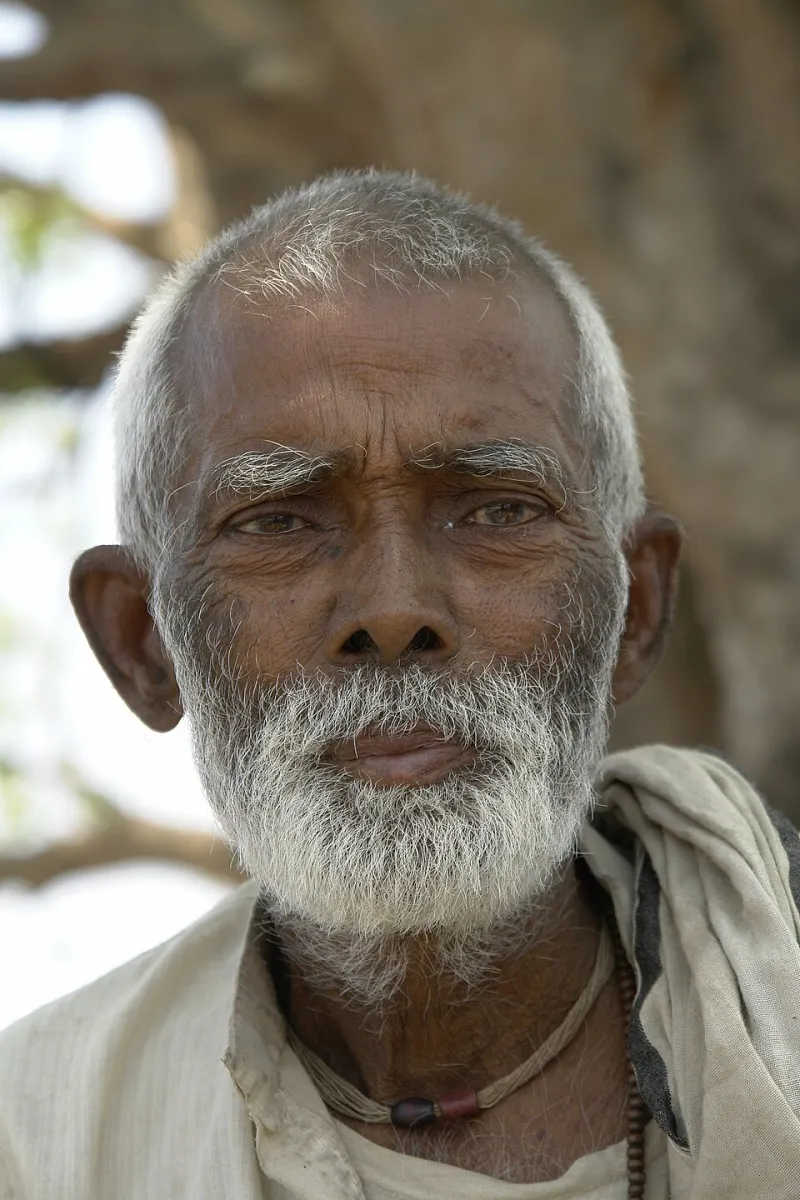
Photo: Yann (talk), CC BY-SA 4.0, via Wikimedia Commons
The recorder sits in the middle of the table like a small, plastic heart. Around it: four Year 5 pupils, a teaching assistant, and a 78-year-old man named Mr Pike. He is describing the winter of 1963 — not the snow, though there was plenty, but the word his mother used for the cold that gets into your bones. ‘Nesh,’ he says. ‘We were all nesh that year.’
The children write it down. Then they ask him to say it again.
This is the weekly dialect club at Bramble Hill Primary, a village school of 112 pupils somewhere between the last bus stop and the first hill. Since September, the club has been building what staff are calling a dialect bank: a recorded, transcribed and illustrated collection of local words and phrases that are still in use but rarely written down. Not a museum. More like a pantry, stocked for the future.
A Question That Started With a Grandmother
The project began, as these things often do, with a conversation that wasn’t supposed to be a project at all. Deputy head Kate Ellison was helping her own mother move house when she found a notebook from the 1970s filled with words her grandmother had used: ‘twitcher’ for someone nervous, ‘ginnel’ for the alley between terraces, ‘bait’ for a packed lunch. Some of the words were familiar. Others she had to say aloud to remember.
She brought the notebook into school the following Monday. Within a week, pupils were asking their own families. Within a month, the school had a small grant from the local heritage society and a rota of visitors.
‘We didn’t want it to be a display,’ Ellison says. ‘We wanted it to be a conversation. The children aren’t collecting words like stamps. They’re learning that the way their grandparents speak is evidence of something — of work, of weather, of how people got by.’
Not a Museum Piece
The distinction matters. Plenty of schools do local history projects. Many of them are lovely. But a dialect bank is different in one important way: it treats living speech as the artefact. You can’t put it in a cabinet. You have to keep using it.
So the club has rules. Words are not graded. Nobody corrects anybody. If a child says ‘I’m going out to play’ and their grandmother says ‘I’m away out to play,’ both go in the book. The point is not to replace standard English but to notice what else is there. As one pupil put it, in a sentence that has since been printed on the staffroom wall: ‘It’s like finding out your family has a secret language, except it’s not secret, it’s just quiet.’
Each recording session follows a loose shape: a question, a story, a word. Visitors are asked about weather, games, food, work, and — perhaps most revealingly — the language of kindness. How did people in this village tell someone they cared without saying it directly? The answers have been some of the richest material. ‘Look after yourself’ was common. So was ‘don’t be a stranger.’ One man remembered his father saying ‘mind your back’ every time he left the house, which the children decided was both practical and affectionate.
The Mechanics of a Word Bank
The archive itself is deliberately low-tech at the point of capture and carefully organised afterwards. Pupils use tablets to record audio, then work with a teaching assistant to write down what they heard. They note the word, its meaning, who said it, where they were born, and whether they would use it themselves. A small display in the corridor shows a “word of the week” with a hand-drawn illustration. Last week’s was ‘mardy,’ contributed by a Year 3 pupil who had heard it from her uncle and had strong opinions about its usefulness.
The school is also working with the parish council to make the archive publicly available — not behind a login, not in a filing cabinet, but on a simple page linked from the village website. The long-term plan is modest: keep adding, keep listening, keep the recordings safe.
What the Children Learned
Ask the pupils what they’ve taken from the project and the answers are unexpectedly practical. One says she now knows why her grandad says ‘happen’ when he means ‘perhaps.’ Another says he didn’t realise his family had a word for the sound of a kettle just before it boils. A third says the best bit is ‘when they forget the recorder is on and start telling you about when they were naughty.’
For Ellison, the project sits alongside the school’s wider work on oracy and belonging. It is, she says, a way of answering a question that many rural schools are quietly asking: how do you teach children that their place matters without turning it into a theme park?
‘You can’t tell a child their heritage is important and then act like the way their family speaks is wrong,’ she says. ‘That doesn’t work. They see through it. So we start with the words. The words are the doorway.’
Passing It On
The dialect bank is not finished, and it isn’t meant to be. There are more visitors to record, more words to check, more arguments to settle about whether ‘barm’ means a bread roll or something else entirely. (It means a bread roll. The school has taken a position.)
But something has already shifted. In the corridor, a group of Year 4s are practising a phrase they learned from a visitor last week: ‘Put wood in th’ole.’ It means shut the door. They say it with enormous delight, and also with a certain care, as if handling something borrowed and valuable.
That, perhaps, is the point. Not to preserve the past in amber, but to keep it in circulation. To let children hear the voices of their own place, and to give them the confidence to add their own.
In the spirit of Mary Ward, who believed education should form the whole person rather than simply fill a head with facts, the dialect bank is a small act of attention. It says: your family’s language is worth listening to. Your village is worth knowing. And the words we nearly lost are still here, if we ask.