Seven School Gardens Where the Harvest Is Shared, Not Just Grown
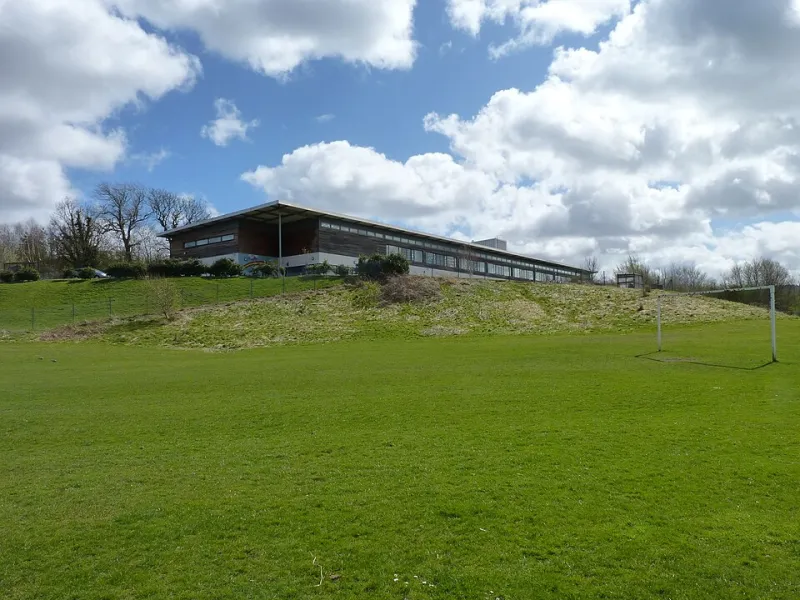
Photo: James Allan , CC BY-SA 2.0, via Wikimedia Commons
There is a certain kind of quiet that only exists in a school garden. It is not the hush of an exam hall or the silence of an empty corridor. It is the sound of a watering can, a fork turning soil, a child being told to wait just one more week before pulling the carrots. Across the UK, pocket-sized plots are doing this work every day. They are not grand. They are not usually featured in glossy brochures. But they anchor communities in a way that is hard to measure and easy to feel.
This list is not a ranking. It is a celebration of seven kinds of growing space that pupils, staff and nearby residents have made their own. Each one has a different shape, but they share a simple idea: a garden is better when the harvest is shared. The Loreto tradition of care for place and people sits easily alongside that instinct. You do not need a sermon to teach patience, generosity and neighbourliness. Sometimes you just need a patch of earth and a rota.
1. The Yorkshire allotment with a spare gate key
Behind a primary school in West Yorkshire, a ten-minute walk from the playground, sits a rented allotment plot. It is not much to look at in February: a shed, a few raised beds, a compost heap with ambitions. By July it is a tangle of rhubarb, potatoes, mint and marigolds. Pupils visit in small groups, usually with a teaching assistant and a parent helper. The rule is simple: if you grow it, you share it.
The plot works because the school does not try to control everything. A retired neighbour holds a spare gate key and keeps an eye on the watering in the holidays. Another neighbour teaches the children how to prune the apple tree without taking too much. The harvest goes home in paper bags, but some of it goes to the staff room, the local food bank and a nearby sheltered housing scheme. The children know this. It changes how they feel about a bag of potatoes.
2. The London courtyard that became a wildlife haven
In a busy part of London, a concrete courtyard between two school buildings has been slowly softened. There are no sweeping lawns. Instead there are pots of lavender, a bug hotel made from pallets, a shallow water dish for birds and a wall of climbing plants that took three years to establish. Pupils monitor what visits. They have a chart for pigeons, sparrows, bees and the occasional fox.
The garden is small enough that a class can stand in it without crowding, which means it gets used. Neighbours donate spare plants. A local gardener comes in once a term to help with pruning. The joy here is not a big harvest. It is the sight of a child who has never noticed a bee before suddenly noticing one. It is also the commuter who pauses at the gate on the way past. Quiet joy is still joy.
3. The Cardiff container garden on a busy road
A secondary school in Cardiff has turned a strip of tarmac beside a busy road into a row of container beds. It is not picturesque, but it is productive. Herbs do well. Tomatoes need attention. Mint, as ever, needs no encouragement at all. Pupils from different year groups take turns to water and weed, and parents from a range of backgrounds have added recipes to a laminated book kept in the school office.
The mint goes home in paper bags with a label in Welsh and English. The labels are not perfect. The point is that they exist. This garden is a small lesson in belonging: the school is on a road that many people pass without stopping, but the garden makes them stop. Neighbours have been known to drop off spare pots. Staff say the conversations at the fence are as valuable as the produce.
4. The Belfast peace garden with a bench for listening
Some school gardens are less about vegetables and more about pause. In Belfast, a small garden beside a school wall has been planted with lavender, rosemary and a single apple tree. There is a bench. There is no plaque with a grand statement. The garden does not pretend to solve history. It simply gives people a place to sit.
Pupils use it for quiet reading and for circle time when the weather allows. Neighbours have been invited to sit. Staff report that the bench is often occupied at the end of the day by someone waiting for a lift or taking a breath. The garden is maintained by a rota, but its real work is unplanned. It is a reminder that peace is often built in small, unglamorous places: a bench, a bit of shade, a place to be without being asked to perform.
5. The Scottish polytunnel that feeds the Friday café
At a secondary school in Scotland, a polytunnel does more than extend the growing season. It supplies a Friday community café. Pupils grow salad leaves, spring onions, herbs and a few stubborn courgettes. Older residents from the surrounding streets come in for soup and a chat. The menu is simple, and the soup is usually good.
The café is not a charity project with a capital C. It is a meeting place. Pupils take orders, clear tables and explain what is in the soup. Some of the older visitors have lived in the area for decades; some have only recently arrived. The polytunnel gives them something to talk about. It also gives pupils a reason to care about a lettuce. That is not a small thing.
6. The Norfolk school orchard and the apple press day
A village school in Norfolk has five apple trees and a lot of enthusiasm. Every autumn, the school holds a pressing day. Families bring spare apples. Neighbours bring more. A borrowed press turns them into juice, and pupils label the bottles with the date and the name of the orchard. It is messy, sticky and enormously popular.
The proceeds go to a local food bank. The best part, staff say, is that the day belongs to everyone. Grandparents come. Toddlers wander about. Someone always forgets a jumper. The orchard is not a museum piece. It is a working, social thing, and the children see that a harvest is not just something you take. It is something you host.
7. The Welsh hillside garden with a rain butt and a rota
In mid Wales, a rural primary school has made a garden on a slope. It is not easy ground. There are water butts, raised beds and a rota that every class follows. The crops are modest: broad beans, chard, a few peas that never make it to the kitchen because children eat them on the way back. The garden is practical rather than pretty.
Neighbours help during the holidays. A local farmer lends a trailer for compost. The school uses the garden for science, for quiet time and for the kind of conversations that only happen when hands are busy. Here, care for place is not an abstract idea. It is a rain butt that needs emptying and a rota that needs following. It is small, and it is enough.
What makes these gardens work
None of these gardens is a showpiece. That is probably why they last. They tend to share a few unglamorous features: a rota, a bench, a spare key, a neighbour who can be relied on, and a willingness to accept that not everything will grow. They measure success in people as much as produce. A child who learns to wait for a tomato is learning something. A neighbour who drops off a spare plant is part of the school.
For anyone thinking about starting something similar, the first step is usually a conversation over a gate. Ask the caretaker where the tap is. Ask a neighbour if they would like to help. Start small. A herb pot on a windowsill can be a garden if it is shared. The harvest does not have to be large. It just has to be passed round.